Role of the Frame in a Screen Enclosure
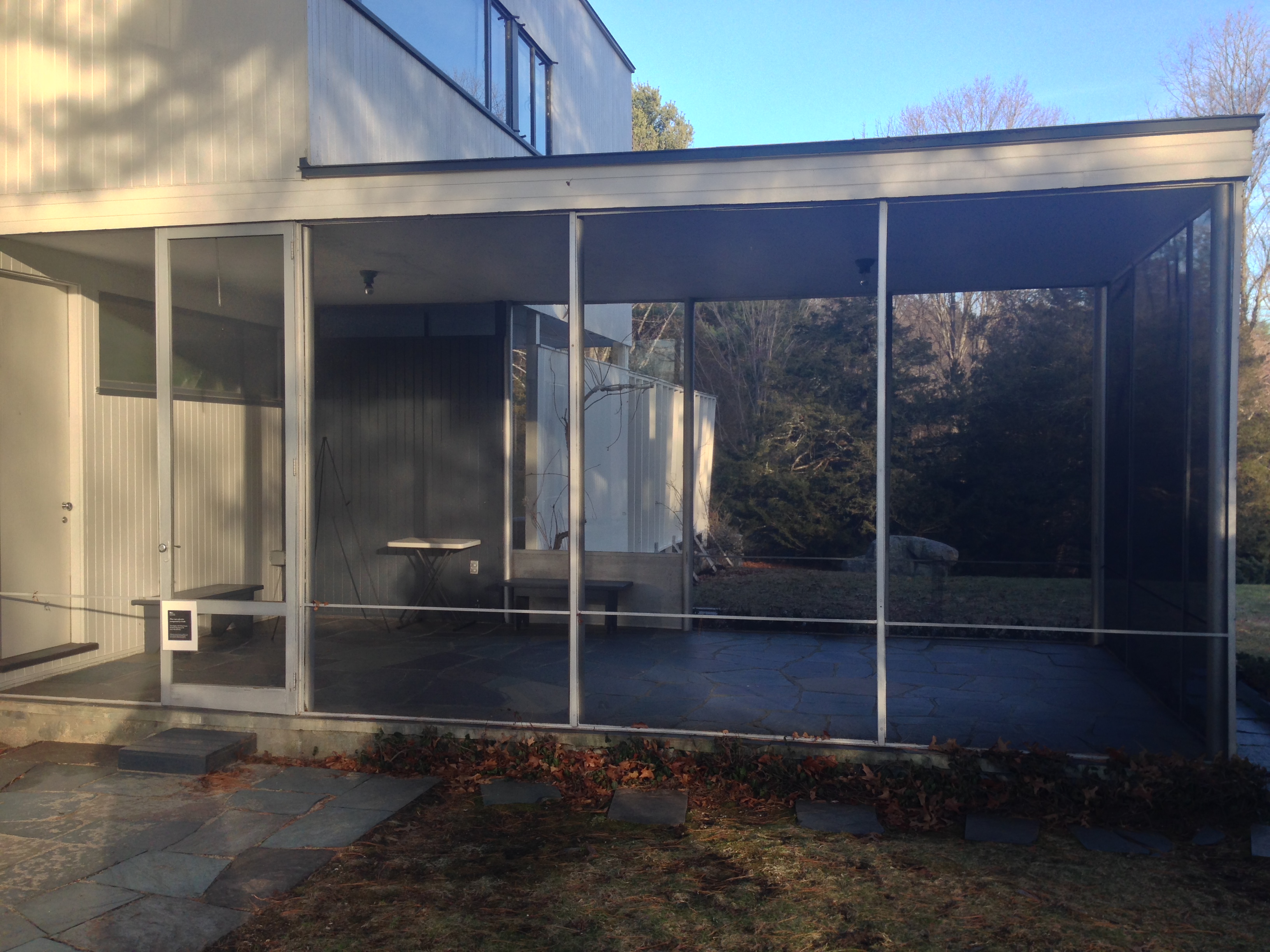
The frame in a screened porch enclosure does more than hold the screen material. It transfers wind loads laterally to the foundation or existing structure, carries the weight of any overhead framing or roofing, and provides the tension base that keeps screen panels taut over years of thermal cycling.
In Canada, thermal cycling is a significant design factor. A frame installed at +30°C in late summer will contract noticeably at -25°C in midwinter. Aluminum, wood, and composite materials contract at different rates, and connections between dissimilar materials need to accommodate this differential movement or they will loosen, crack, or allow water infiltration over time.

Wood Framing
Pressure-treated lumber is the standard material for structural components of a screened porch frame — posts, beams, and any framing in contact with concrete or near-grade conditions. In Canada, pressure-treated lumber rated for ground contact (typically designated UC4A or UC4B under the American Wood Protection Association system, or the equivalent Canadian standard) is required where structural members are at or near grade.
Above the structural posts and beams, screen bay framing is often done with clear or construction-grade cedar, which is naturally rot-resistant and dimensionally stable. Pine and spruce are used in enclosed or protected conditions. Raw pine or spruce exposed to moisture will deteriorate relatively quickly without regular paint or sealant maintenance.
Post Sizing and Spacing
Standard residential screened porch framing uses 4×4 or 6×6 posts at 1.2 m to 1.8 m (4 to 6 ft) on center. The 6×6 dimension is appropriate for posts supporting a roof load or spans exceeding 2.4 m (8 ft). In a simple screen enclosure with no roof overhead — or where the enclosure is beneath an existing covered porch roof — 4×4 posts at 1.5 m spacing are generally adequate for one-storey residential applications.
Post base hardware is critical in Canadian climates. Surface-mounted post bases that hold the post above the concrete surface prevent direct wood-to-concrete contact, reducing moisture uptake at the base. This detail substantially extends the service life of wood posts.
Header and Beam Sizing
The beam or header across the top of a screen bay carries the roof load or the load from the upper screen frame. For a single-storey porch enclosure with a modest roof, a double 2×8 or double 2×10 built-up beam spanning 3.6 m (12 ft) or less is typical. Spans beyond this benefit from engineered lumber (LVL or PSL) to limit deflection, which causes screen panels to sag if the framing above them deflects under load.
Aluminum Framing Systems
Extruded aluminum framing systems for screened porches have been used across North America for several decades. The extrusion profiles are designed to accept spline-set screen material directly into channels machined into the face of the profile — eliminating the need for separate screen frames for each bay.
Thermal Expansion Considerations
Aluminum expands and contracts more than wood for a given temperature change. The coefficient of thermal expansion for aluminum is approximately 23 × 10⁻⁶ per °C, compared to approximately 3–5 × 10⁻⁶ per °C for wood (across the grain). A 6 m (20 ft) aluminum member spanning the full width of a porch will change length by approximately 17 mm between -30°C and +35°C — a total temperature range of 65°C that is realistic in many Canadian locations.
Aluminum extrusion manufacturers address this through slip-joint connections and floating panel systems that allow linear movement without putting the frame under tension. These design details are typically built into proprietary aluminum screen room systems. Field-fabricated aluminum assemblies need to replicate these provisions.
Advantages Over Wood in Specific Contexts
- No painting, staining, or re-sealing required — a meaningful maintenance advantage over wood in humid coastal climates.
- Factory-finished powder coats in standard colors (white, bronze, tan) are UV-stable and resist salt air better than painted wood surfaces.
- Lighter weight than comparable wood framing — useful when the existing porch structure has limited reserve capacity.
Composite and Vinyl Framing
Cellular PVC and wood-plastic composite (WPC) trim and framing boards are available as an alternative to solid wood for non-structural screen bay elements. These materials are dimensionally stable, do not absorb moisture, and do not require paint — matching some of the low-maintenance advantages of aluminum while offering a wood-like profile that is easier to cut and fasten with standard carpentry tools.
Cellular PVC's thermal expansion rate is considerably higher than aluminum or wood — approximately 55 × 10⁻⁶ per °C — which limits its use in long horizontal runs without expansion provisions. Vertical elements and short spans (under 1.5 m) are where cellular PVC performs most predictably in Canadian temperature conditions.
Anchoring to the Existing Structure
The connection between the new screen enclosure frame and the existing house is the detail with the most long-term consequence. A ledger connection using through-bolts or structural screws into solid framing (rather than just sheathing) is the code-compliant and durable approach. The National Building Code Section 9.23 (Wood Framing) provides guidance on fastener sizing and spacing for ledger connections.
Where the existing structure is concrete or masonry — as is common in attached garage or basement-level porch additions — anchor bolts or masonry screws rated for the expected lateral and vertical load are required. Expansion anchors placed in cracked or spalled concrete should be assessed and repaired before relying on them as the primary connection for a new screen frame.
Seasonal Removal Considerations
In regions where screens are removed for winter — which is common in central and northern Canada — the frame needs to accommodate repeated installation and removal cycles. Systems using removable screen panels in a track system (rather than spline-set mesh that is permanently installed into the frame) are better suited to this pattern. Wood frames with painted or sealed surfaces tolerate storage exposure better than raw wood, which may check or split over repeated wet-dry cycles during off-season storage.
Related Topics
The choice of frame material affects which screen mesh types are practical to install. See Screen Material Options for Canadian Climates for more detail. For the broader project context, see How to Add a Screened Enclosure to an Existing Porch.